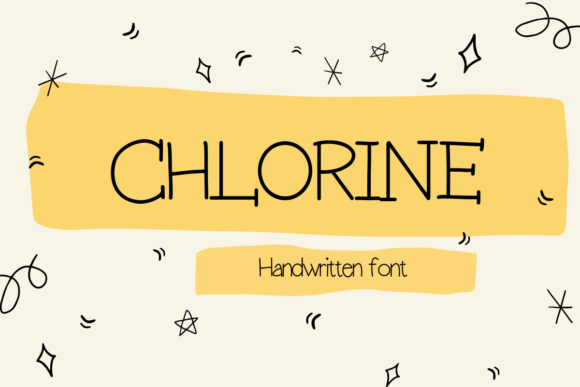
Chlorine: A Handwritten Font for Modern Web Design and Digital Branding
Understanding Chlorine’s Visual Style and Digital Personality
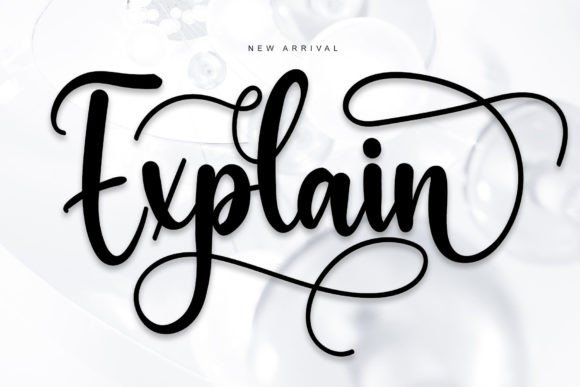
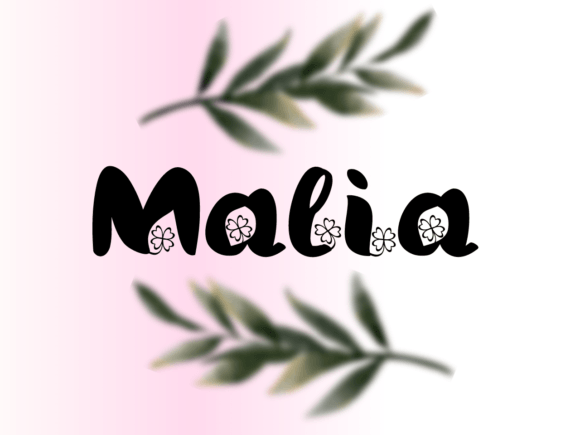
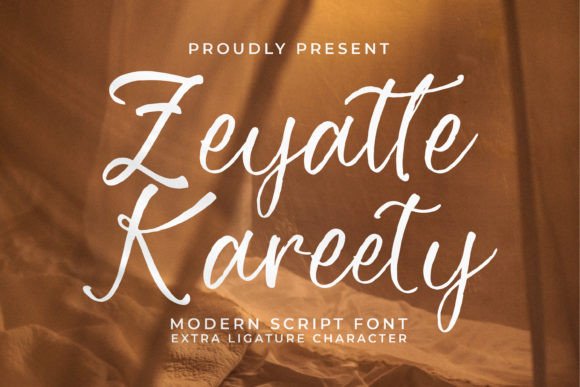
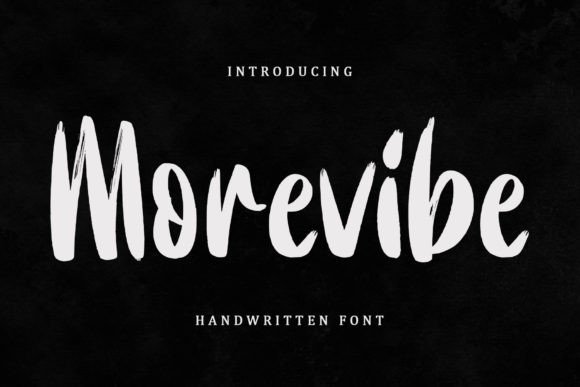
Chlorine is a Script Amp font that mimics natural handwriting, making it a versatile choice for web designers and digital creators looking to inject warmth and personality into their projects. Its fluid strokes and organic rhythm give it a casual yet legible appearance, especially effective in contexts where a human touch enhances brand tone. Unlike rigid sans serif or serif fonts, Chlorine offers a relaxed, expressive alternative that works well in both decorative and functional digital applications.
Using Chlorine in Website Headers and Hero Sections
As a display font, Chlorine excels in website headers and hero sections where visual impact matters most. Its distinctive script style draws attention without overwhelming the layout, making it ideal for landing pages, product announcements, or service introductions. When used at larger sizes, the font maintains clarity and character, helping establish a strong visual hierarchy. For example, a coaching website or creative portfolio can use Chlorine in a hero headline to immediately convey approachability and authenticity.
Chlorine for Call-to-Action Buttons and Short Phrases
While not suited for long-form body text, Chlorine works well for short, high-impact phrases such as call-to-action buttons, taglines, or feature highlights. Designers can use it in banners, promotional graphics, or social media assets to add a handcrafted feel. When applied to buttons or microcopy on a SaaS landing page, Chlorine can guide user attention and create a memorable brand impression. However, it's best used at readable sizes and paired with a clean sans serif font for supporting text.
Brand Identity and Visual Consistency with Chlorine
Consistency is key in digital branding, and Chlorine supports this by offering a unique but repeatable typographic voice. Whether used in a logo, product packaging design, or branded web content, the font reinforces a brand’s personality—especially for creative entrepreneurs, lifestyle bloggers, or boutique online stores. Paired with a modern sans serif or a refined serif font, Chlorine can serve as a signature element in a broader design system, enhancing readability while maintaining visual rhythm.
Readability and Responsive Design Considerations
When using Chlorine in responsive web layouts, designers should consider how its script style performs on smaller screens. While it’s effective on desktop, mobile users may struggle with overly stylized letters, especially at reduced sizes. To maintain readability, use Chlorine primarily for headings, image overlays, or accent text rather than body copy. On dark or light backgrounds, ensure sufficient contrast and avoid complex textures that may interfere with letter clarity.
Practical Use Cases for Chlorine in Digital Products
- Creative portfolios: Use Chlorine in section titles or personal bios to emphasize individuality.
- Online course sales pages: Apply the font in headlines or testimonials to create a warm, inviting tone.
- Boutique shops: Incorporate Chlorine into product banners, packaging labels, or gift card designs for a custom feel.
- Blog headers: Enhance article thumbnails or featured images with Chlorine for a handwritten, editorial look.
- Digital brand kits: Include Chlorine as a signature font to maintain consistent brand typography across web and print assets.
Font Pairing Strategies for Web Design
Chlorine pairs well with minimalist sans serif fonts like Open Sans, Lato, or Montserrat, allowing for a balanced contrast between expressive headlines and clean body text. For editorial or luxury brands, pairing it with a serif font such as Playfair Display or Merriweather can create a more refined, curated aesthetic. The key is to maintain legibility and ensure that Chlorine enhances rather than competes with the supporting typeface.
Checking Font Features for Web Use
Before implementing Chlorine into a live website or digital product, verify that it includes necessary webfont formats such as WOFF, WOFF2, and TTF. Check for alternate characters, ligatures, and multiple weights if your design requires flexibility. Multilingual support is also important for global brands or international online stores. Many premium font platforms offer these features, ensuring compatibility across browsers and devices.
Licensing and Commercial Use of Chlorine
For web designers and UI creators, font licensing is crucial. Chlorine should be properly licensed for commercial use, especially when deploying it on client websites, online stores, landing pages, or digital templates. Always confirm whether the license covers webfont hosting, embedded use in apps, or distribution in brand asset kits. Choosing a reputable font marketplace or foundry ensures legal compliance and long-term usability.
Final Notes on Choosing Chlorine for Your Design Toolkit
In the evolving landscape of modern typography, Chlorine offers a fresh, human-centric alternative to standard web fonts. Whether used for logo design, social media graphics, or content sections, it adds character without sacrificing usability when applied thoughtfully. By understanding its strengths—such as expressive headers, brand-focused accents, and creative layouts—designers can leverage Chlorine to build more engaging, visually cohesive digital experiences.