Macy Tyler: A Casual Script Font for Modern Branding Projects
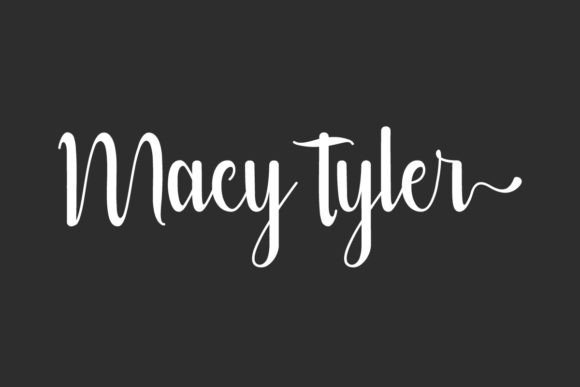
There’s something about opening a blank brand board that feels both exciting and intimidating. It’s the visual starting point of any identity system, and choosing the right typeface sets the tone for everything that follows. I recently found myself in that familiar spot while working on a visual refresh for a small artisanal coffee shop. I had a rough logo concept sketched out, and after testing a few script fonts, I landed on Macy Tyler — a casual and neat script font that promised a personal touch without sacrificing legibility.
First Impressions: Clean Lines with a Handwritten Vibe
From the moment I dropped Macy Tyler into the logo draft, I noticed its balance between approachability and professionalism. It’s not overly cursive or flamboyant like some script fonts can be. Instead, Macy Tyler feels intentional — like a handwritten note from a friend who also happens to be a great designer. The letters are connected just enough to feel fluid, but not so much that they become hard to read. It’s a subtle elegance that works especially well in brand identities that want to feel warm and personable without veering into informal territory.
Testing Across Brand Touchpoints
I tested Macy Tyler across a range of branding materials: a logo lockup, packaging mockups, social media layouts, and even a business card draft. It held up well in most applications, especially where it was used as a headline or accent typeface. On the coffee shop’s packaging mockup, the font gave the label a boutique feel — perfect for a local brand wanting to stand out in a crowded market.
On the website header, it added a softness that contrasted nicely with a bold sans-serif used for navigation. In social media graphics, Macy Tyler performed well in short phrases and callouts, helping to draw attention without overpowering the layout. It’s definitely best suited for display use — headlines, logos, and short brand phrases — rather than long-form body copy.
Where Macy Tyler Shines — And Where It Needs Support
As a script font, Macy Tyler is ideal for projects that need a human touch. Think wedding invitations, greeting cards, handmade shop branding, or creative studio identities. It brings a sense of warmth and authenticity that many sans-serif fonts can’t replicate. However, it’s not a one-size-fits-all solution. In small sizes — like on product tags or mobile buttons — the letterforms can start to blur together, making readability a concern.
Also, if you’re working on formal corporate branding or technical documentation, this font might not be the best fit. Its casual nature can feel out of place in more structured environments. That said, with the right font pairing, you can create a balanced system. I paired Macy Tyler with a clean serif for body text and a modern sans-serif for navigation elements, and the contrast elevated the overall design.
Practical Considerations for Designers and Brand Creators
Before locking in any font for a client project, I always test it across multiple formats and sizes. With Macy Tyler, I recommend previewing it on both print and digital mockups to see how it performs in real-world conditions. Also, check what styles and alternates are included. Many script fonts come with ligatures, swashes, and stylistic sets that can add visual interest when used thoughtfully.
Another important point: always verify the font’s licensing. Macy Tyler is a commercial font, which means it’s suitable for use in client work, packaging, merchandise, and web design — but only if the appropriate license is purchased. Make sure to review the terms before embedding it in a website or using it in a product template.
Final Take: A Versatile Script for the Right Project
Overall, Macy Tyler is a solid choice for designers looking to inject personality into a brand without compromising clarity. It’s a neat, legible script that works well in modern branding contexts — especially when used as a display or accent font. Whether you’re designing a logo for a creative studio, refreshing a local café’s packaging, or building a brand board for a handmade shop, Macy Tyler can be a valuable asset in your typography toolkit.
Like any font, it has its limitations. But in the right context — and with the right supporting typefaces — it can help create a cohesive, emotionally resonant brand identity that feels both professional and personable.