Oily: A Handwritten Font That Adds Elegance to Your Craft Projects
I was putting the finishing touches on a set of candle labels for a seasonal lavender line when I stumbled upon Oily. I needed a font that felt personal, a little soft, but still confident—something that would make my labels feel handmade yet professional. Oily’s flowing, handwritten style caught my eye immediately. It wasn’t just another script font; it had character, a kind of timeless elegance that made my product mockups feel instantly elevated.
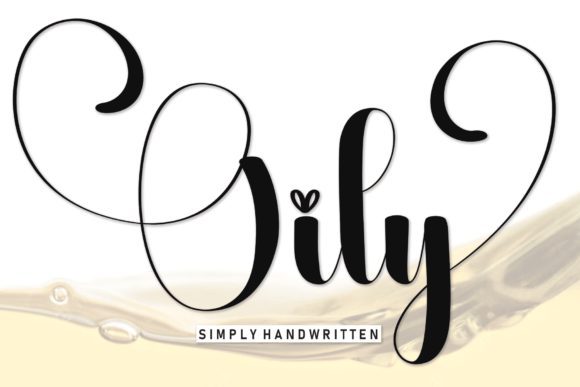
Oily is a script font designed with a graceful, natural touch. It mimics the flow of real handwriting, with gentle curves and subtle variations that make it feel like someone actually wrote it by hand. It’s the kind of font you’d reach for when you want your designs to feel personal and expressive. Whether you're printing boutique tags, designing greeting cards, or crafting digital downloads, Oily brings a soft, artistic quality that resonates with customers and adds a polished edge to your work.
Perfect for Labels, Invitations, and Product Packaging
I first used Oily for candle labels, and the results were exactly what I hoped for. The font wrapped around the edges of the label beautifully, giving it a boutique-style look without needing any extra design elements. It worked just as well on product tags and greeting cards. What I love most is how adaptable it is—Oily looks equally at home on a rustic farmhouse sign or a sleek wedding invitation.
When I started designing a series of planner pages for a back-to-school collection, I found that Oily added a warm, personal touch to the headers and motivational quotes. It brought a sense of joy and creativity to the layout, which was perfect for a product aimed at helping users stay organized while expressing their personality.
How Oily Enhances Your Brand and Product Appeal
Choosing the right font can make a big difference in how your products are perceived. Oily helps create a sense of quality and attention to detail. When I used it on a line of handmade soap packaging, customers commented on how “thoughtful” and “artisanal” the labels looked. That’s the power of a well-chosen typeface—it subtly influences how people feel about your brand.
Because of its flowing style, Oily is best used for short phrases, titles, names, and decorative text rather than long paragraphs. It’s a display font at heart, perfect for creating visual impact without overwhelming the design. For best results, I recommend using it in places where you want to draw the eye—like the title of a printable wall art piece or the main text on a boutique tag.
Real-World Uses for Makers and Sellers
Here are just a few ways I’ve used Oily across my handmade business:
- Candle labels: Gave a soft, luxurious feel to natural soy candles.
- Wedding invitations: Added a romantic, elegant touch to the names and event details.
- Digital printables: Worked beautifully for quote cards and seasonal wall art.
- Boutique tags: Helped create a cohesive, handcrafted look for clothing and accessory packaging.
- Seasonal products: Added charm to holiday gift tags and Valentine’s Day cards.
Each time, Oily brought a sense of warmth and authenticity that made the designs feel more connected to the customer. It’s not just a font—it’s a design tool that helps tell your product’s story.
Readability Tips for Cutting Machines and Small Labels
While Oily is stunning, it’s important to use it thoughtfully, especially for small-scale projects like stickers or product tags. I’ve learned that spacing and size matter a lot. For cutting machines like Cricut or Silhouette, I always test the font at a smaller size first to make sure the letters don’t blend together. Sometimes I adjust the tracking or use a slightly larger point size to maintain clarity.
When designing digital mockups or listing images for Etsy, I also make sure to preview how Oily looks on screen versus in print. This helps avoid any surprises when the final product is produced. For example, when creating a printable wall art preview, I made sure the font scaled well on both desktop and mobile views to give customers an accurate idea of how it would look once printed.
Font Pairing Ideas to Elevate Your Design
Oily pairs beautifully with clean, minimalist fonts. I often combine it with a simple sans serif like Montserrat or Lato for body text or secondary details. This contrast helps maintain readability while letting Oily shine as the focal point. For a more romantic or vintage-inspired look, I sometimes pair it with a lighter serif font for a layered, editorial feel.
When designing a wedding invitation, I used Oily for the couple’s names and paired it with a classic serif font for the event details. The combination gave the design a timeless, elegant quality. For a more modern look, I’ve paired it with a bold sans serif for a greeting card design—Oily handled the name or title while the bold font grounded the layout.
What to Know Before Using Oily in Commercial Projects
If you’re planning to use Oily in your handmade shop, digital downloads, or merchandise, always double-check the font’s licensing. Most premium script fonts like Oily come with commercial licenses, but it’s important to confirm that you’re allowed to use them in the specific way you plan—whether that’s for printed products, digital templates, or SVG cut files.
Also, take a look at what styles and features are included. Some script fonts come with alternates, ligatures, and swashes that can add more customization to your designs. Oily includes a variety of these extras, which I found incredibly helpful when designing for different projects. Being able to switch between alternate letters gave my designs a more natural, hand-drawn feel.
Final Thoughts: Oily Is a Must-Have for Creative Makers
Whether you’re designing greeting cards, packaging, digital printables, or seasonal products, Oily is a font that adds charm, elegance, and personality. It’s become a go-to in my design toolkit, especially when I want to create something that feels both handmade and refined. As a maker, I appreciate how a single font can transform the look and feel of a product, and Oily does that effortlessly.
If you haven’t tried Oily yet, I highly recommend downloading a sample and testing it on a few of your current projects. You might be surprised at how much it elevates your designs and connects with your audience.